
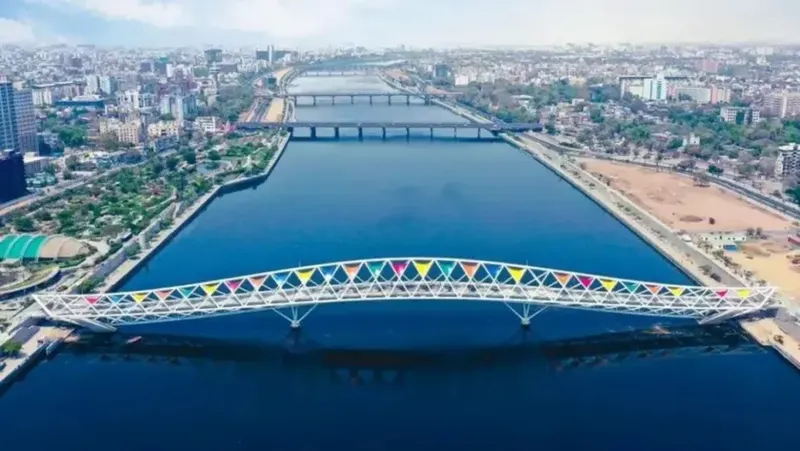
India is less a single country than a subcontinent of many worlds. In the far north the Himalaya rise into Ladakh and Kashmir; the Ganges plains carry the Taj Mahal at Agra and the sacred ghats of Varanasi; Rajasthan keeps its desert forts and palaces; and the tropical south unfolds through Kerala's backwaters, Tamil temple towns and the Konkan coast. Twenty-eight states speak dozens of major languages and follow every great religious tradition. It is an ancient civilisation and a restless modern democracy at once, home to Mughal and colonial architecture, world-shaping cuisine, and a film industry watched by hundreds of millions. The southwest monsoon, roughly June to September, sets the rhythm of the year, and the distances are continental, so most journeys lean on the vast railways and a busy web of domestic flights.
India on Nuvoha spans 12 destinations: Ahmedabad, Bengaluru, Chandigarh, Chennai, Delhi, Goa, Hyderabad, Kochi, Kolkata, Mumbai, Pune, Thiruvananthapuram. Set your budget and Nuvoha builds the complete trip: flights and hotels together.
Why visit India
- Cities you can explore on foot, from headline sights to quiet neighbourhoods
- Coastline worth building a trip around
- Quieter alternatives beyond the obvious stops
- Easy to combine two cities in a single trip
Best known for
- The Taj Mahal and Mughal architecture
- Rajasthan's forts and palaces
- Diverse, spice-rich regional cuisine
- The sacred River Ganges and Varanasi
- Himalayan landscapes and hill stations
- Vibrant festivals such as Diwali and Holi
States and regions
- Rajasthan and the northwest: Desert forts and palaces at Jaipur, Udaipur, Jodhpur and Jaisalmer, set against the sands of the Thar.
- The Gangetic plains: The heartland of the north, holding Delhi, the Taj Mahal at Agra and the sacred riverside city of Varanasi.
- The Himalaya: High country from Himachal and Uttarakhand to Ladakh's Buddhist monasteries and the valleys of Kashmir.
- The South: Kerala's backwaters and hills, Tamil Nadu's towering temples, and Karnataka's gardens, coffee estates and ruins.
- The West coast: Mumbai and Maharashtra's cave temples, the beaches and churches of Goa, and Gujarat beyond.
- The East and Northeast: Kolkata's Bengali culture, the tea gardens of Darjeeling and Assam, and the remote states past the Brahmaputra.
Where to go
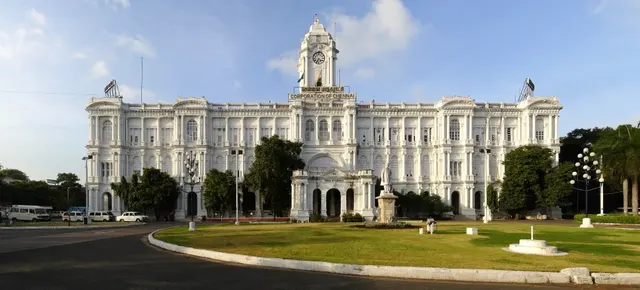
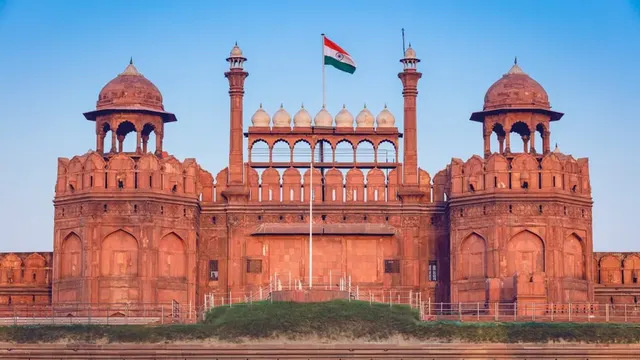
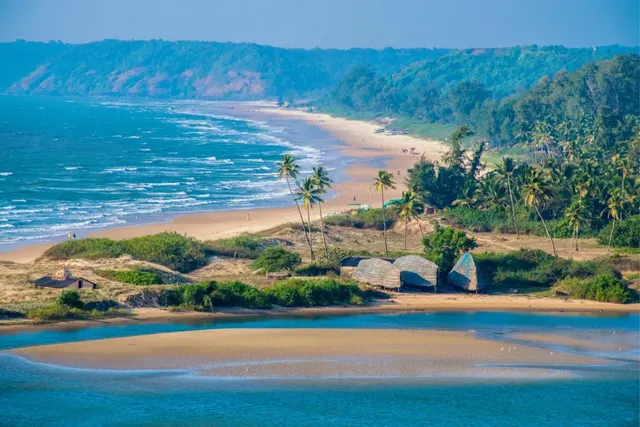
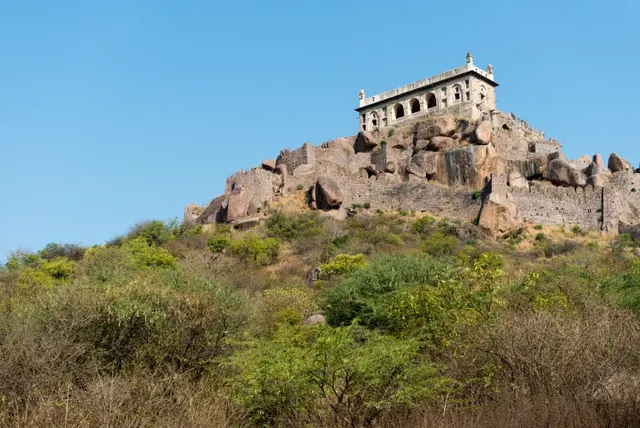
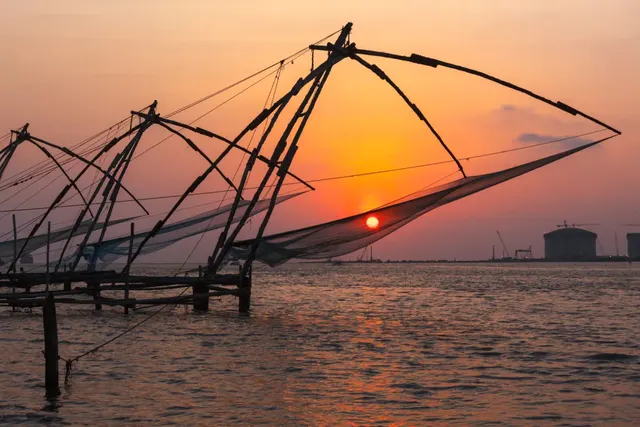
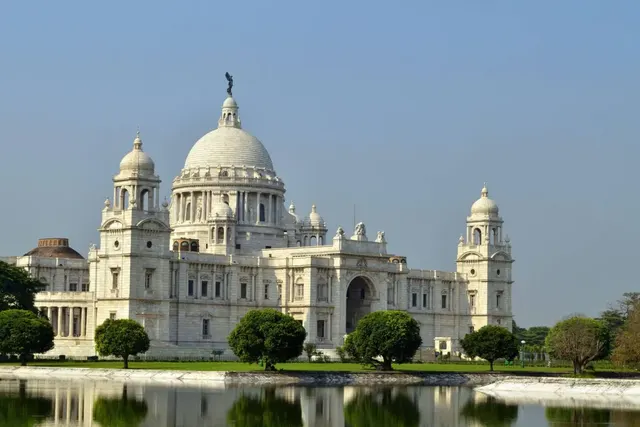
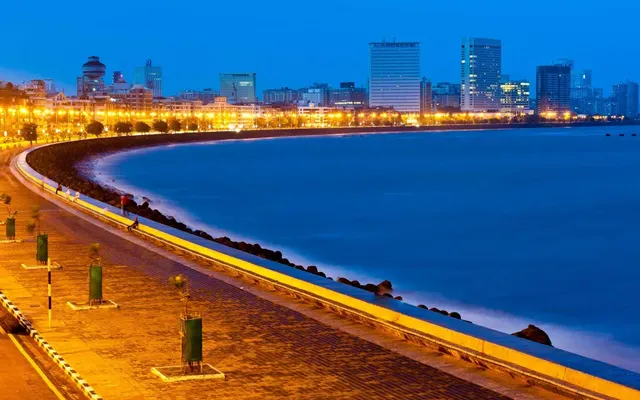
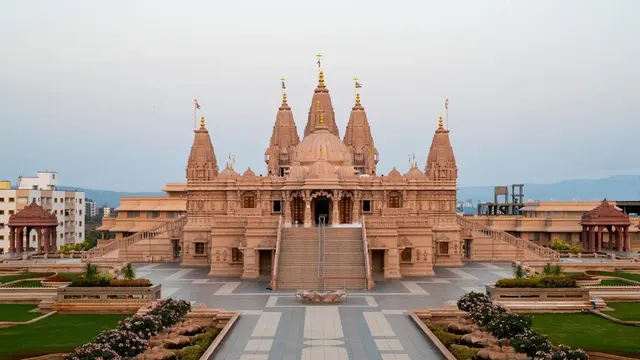
Know before you go
| Currency | Indian rupee (INR) |
|---|---|
| Language | Hindi and English are the union-level official languages, alongside twenty-two scheduled languages and hundreds of others; English is widely used in cities, business and tourism. |
| Time zone | IST (UTC+5:30), a single time zone across the whole country |
| Emergency number | 112 |
| Driving side | Left |
| Tap water | Not reliably safe to drink; choose sealed bottled water, or water that has been filtered or boiled. |
Seasons at a glance in Ahmedabad
| Month | Typical range | Season |
|---|---|---|
| January | 12°C to 29°C | Dry warm winter |
| April | 23°C to 40°C | Very hot spring |
| July | 26°C to 34°C | Humid monsoon season |
| October | 21°C to 36°C | Hot post-monsoon |
Seasons vary across India. Each destination page has its own climate table.
How travellers explore India
Mumbai and Pune sit about 124 km apart, an easy pairing in one trip.
Kochi and Thiruvananthapuram sit about 194 km apart, an easy pairing in one trip.
More in Asia
More Asia country guides
Frequently asked questions
Which India destinations can I book with Nuvoha?
Ahmedabad, Bengaluru, Chandigarh, Chennai, Delhi, Goa, Hyderabad, Kochi, Kolkata, Mumbai, Pune, Thiruvananthapuram, each with complete flight and hotel trips built around your budget.
What kind of trips suit India?
India works for city breaks and beach holidays, and its cities pair well for multi-stop itineraries.
Do I need a visa to visit India?
Most visitors do. India runs an electronic visa (e-Visa) scheme covering many nationalities, applied for online through the official government portal before you travel, while some travellers use other visa types. Requirements vary by nationality, so always check the official Indian government source.
When is the best time to visit India?
For most of the country, October to March is the main season, cool and dry. The southwest monsoon runs roughly June to September. Mountain regions such as Ladakh are summer destinations, and the far south keeps its own rhythm, so timing depends on where you are headed.
How do you travel around India?
Distances are vast. The railway network is enormous and iconic, and worth booking ahead on popular routes; domestic flights save time between far-flung cities; and within towns you will use metros, autorickshaws and app-based cabs. Roads can be slow going.
Is it safe to drink the tap water?
It is not reliably safe, so stick to sealed bottled water or water that has been filtered or boiled. Eat freshly cooked, piping-hot food, be cautious with ice and raw items from unknown sources, and note that busy stalls with high turnover are usually a good bet.