
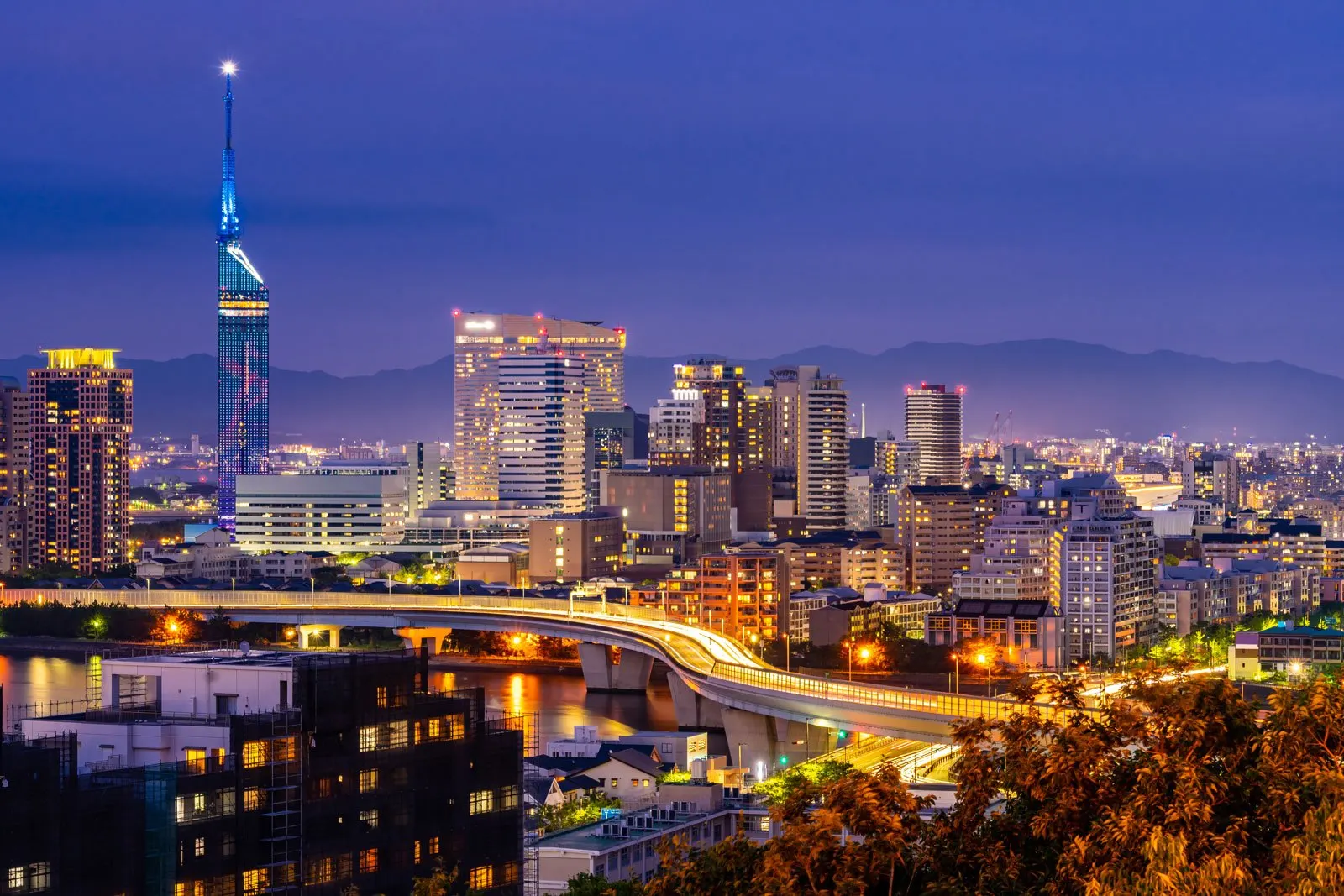
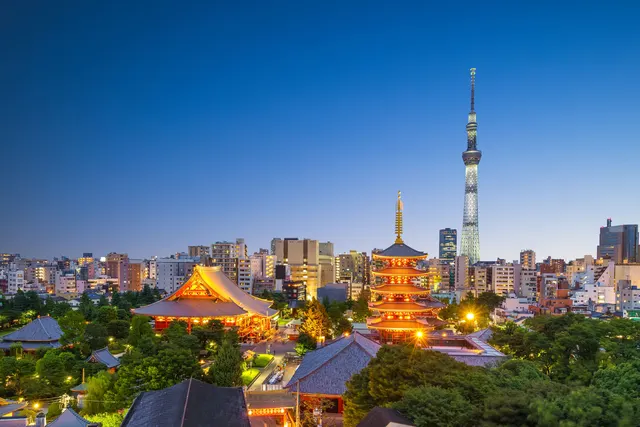
Steam rises off volcanic hot springs from Hokkaido's snowfields to Kyushu's subtropical south, and the same archipelago runs bullet trains that apologise for a one-minute delay. Japan is a chain of four main islands and thousands of smaller ones, where centuries-old shrines sit metres from convenience stores that somehow do everything well. Tokyo and Osaka supply the neon and the food obsession; Kyoto and Nara keep the temples; the mountains, coastlines and rural onsen towns reward anyone who steps off the main line. Travellers return for the precision, the politeness and the seasonal rituals (cherry blossom in spring, maple leaves in autumn), and for cooking treated as a craft at every level of ambition.
Japan on Nuvoha spans 4 destinations: Fukuoka, Osaka, Sapporo, Tokyo. Set your budget and Nuvoha builds the complete trip: flights and hotels together.
Why visit Japan
- Cities you can explore on foot, from headline sights to quiet neighbourhoods
- Quieter alternatives beyond the obvious stops
- Easy to combine two cities in a single trip
Best known for
- Shinkansen bullet trains
- Sushi, ramen and kaiseki dining
- Cherry blossom season
- Temples and shrines
- Onsen hot-spring bathing
Japan's island regions
- Kanto: Tokyo's region on Honshu's eastern plain, including Yokohama, the hot-spring resort of Hakone and the ornate shrines of Nikko.
- Kansai: The historic heart of Japan: Osaka's street-food districts, Kyoto's temples and gardens, and Nara's deer park with its great bronze Buddha.
- Hokkaido: The northern island of powder-snow ski resorts, summer lavender farms and Sapporo's beer and ramen culture. It stays cooler than the rest of Japan year round.
- Kyushu: The volcanic southern island, with Fukuoka's yatai food stalls, the hot-spring towns of Beppu and the active caldera at Mount Aso.
- Okinawa: A subtropical island chain far to the south-west, with coral reefs and a distinct Ryukyu culture and cuisine.
Where to go
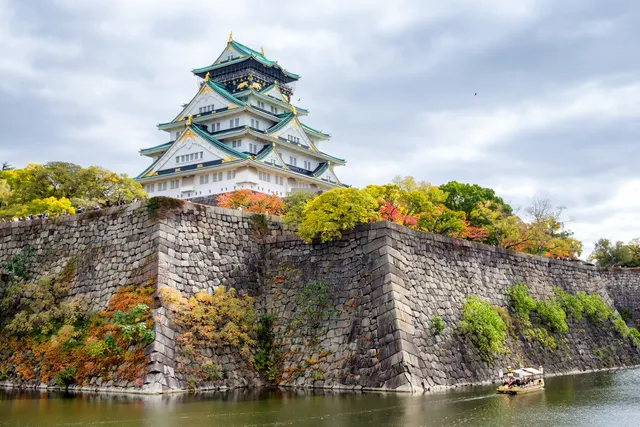
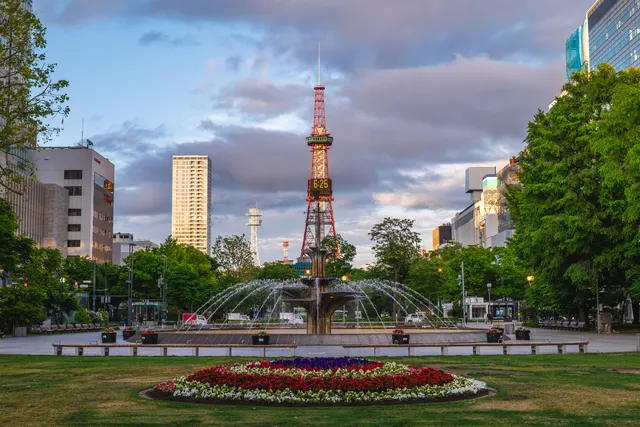
The essentials
| Currency | Japanese Yen (JPY) |
|---|---|
| Language | Japanese; English signage is good in cities and on transport, though spoken English is patchier |
| Time zone | Japan Standard Time (UTC+9), no daylight saving |
| Emergency number | 110 (police), 119 (fire and ambulance) |
| Driving side | Left |
| Tap water | Safe to drink nationwide, including from public fountains |
Seasons at a glance in Fukuoka
| Month | Typical range | Season |
|---|---|---|
| January | 3°C to 10°C | Cool winter |
| April | 10°C to 20°C | Mild spring |
| July | 24°C to 32°C | Hot humid summer |
| October | 15°C to 24°C | Mild autumn |
Seasons vary across Japan. Each destination page has its own climate table.
How travellers explore Japan
Osaka and Tokyo sit about 402 km apart, an easy pairing in one trip.
Fukuoka and Osaka sit about 481 km apart, an easy pairing in one trip.
More in Asia
More Asia country guides
Frequently asked questions
Which Japan destinations can I book with Nuvoha?
Fukuoka, Osaka, Sapporo, Tokyo, each with complete flight and hotel trips built around your budget.
What kind of trips suit Japan?
Japan works for city breaks, and its cities pair well for multi-stop itineraries.
How do you get between Japan's major cities?
The Shinkansen bullet train: Tokyo to Osaka takes about two and a half hours, with lines continuing to Hiroshima, Fukuoka and north towards Hokkaido. Domestic flights make more sense for Sapporo and Okinawa.
Do you need cash in Japan?
Cards and transit IC cards such as Suica cover most city spending, but smaller restaurants, shrines and rural shops can be cash-only, so carry some yen. Convenience-store ATMs accept foreign cards.
What plug type does Japan use?
Type A, the flat two-pin plug used in North America, at 100 volts. European and UK devices need an adapter; most phone and laptop chargers handle the lower voltage without a converter.