

Vietnam runs for well over a thousand kilometres down the eastern side of the Indochinese Peninsula, a narrow, S-shaped country of coastline, rice deltas, limestone karst and forested highlands. Its two great cities anchor the ends: historic Hanoi in the north, commercial Ho Chi Minh City, or Saigon, in the south, with the beaches and ancient towns of the central coast between them. Centuries of Chinese influence, French colonial rule and later conflict have all left their mark, visible in temples, boulevards, cuisine and museums. Today it is one of Asia's most rewarding destinations, prized for its food, its landscapes from Halong Bay to the northern rice terraces, and the warmth and energy of daily life.
Vietnam on Nuvoha spans 3 destinations: Da Nang, Hanoi, Ho Chi Minh. Set your budget and Nuvoha builds the complete trip: flights and hotels together.
Why visit Vietnam
- Cities you can explore on foot, from headline sights to quiet neighbourhoods
- Quieter alternatives beyond the obvious stops
- Easy to combine two cities in a single trip
Best known for
- Vietnamese cuisine, from pho and banh mi to fresh herbs and strong coffee
- Halong Bay and its thousands of limestone islands
- Streets full of motorbikes and buzzing pavement life
- French colonial architecture and twentieth-century history
- Terraced rice fields and highland trekking in the north
- Long coastlines, beaches and offshore islands such as Phu Quoc
Regions of Vietnam
- Northern Highlands: The mountainous far north around Sapa and Ha Giang, with terraced rice fields, misty peaks and many ethnic minority communities.
- Hanoi and the North: The Red River delta and the capital, gateway to Halong Bay's karst seascape and the inland karst of Ninh Binh.
- North-Central Coast: The imperial city of Hue and the vast caves of Phong Nha, rich in history and dramatic limestone scenery.
- Central Coast: Da Nang, the ancient trading town of Hoi An and long beaches, with mountains and Cham heritage close by.
- Central Highlands: The cooler upland interior around Da Lat and Buon Ma Thuot, known for coffee plantations, pine forests and waterfalls.
- The South and Mekong Delta: Ho Chi Minh City and the watery patchwork of the Mekong Delta, a land of rivers, floating markets and orchards.
Where to go
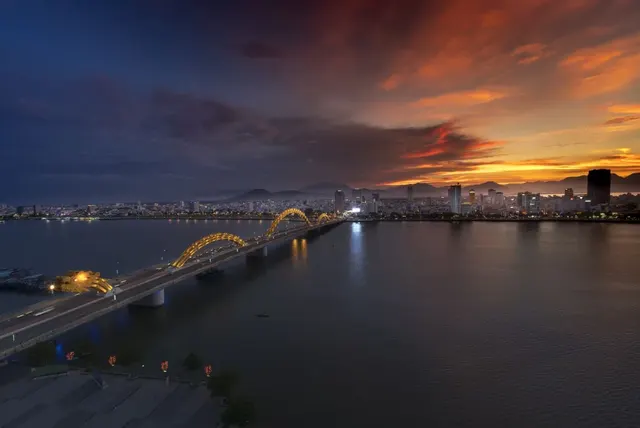
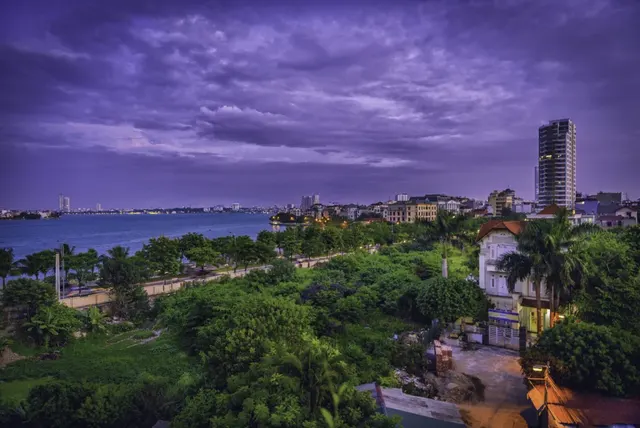
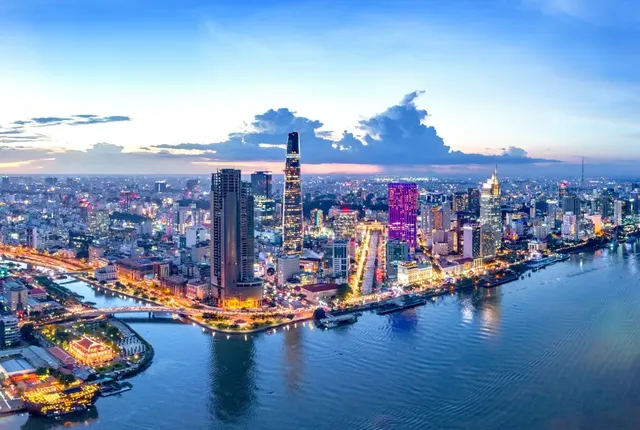
Vietnam travel basics
| Currency | Vietnamese dong (VND) |
|---|---|
| Language | Vietnamese; English is understood in tourist areas |
| Time zone | Indochina Time (UTC+7) |
| Emergency number | 113 police, 114 fire, 115 ambulance |
| Driving side | Right |
| Tap water | Not considered safe to drink; use bottled or filtered water |
Seasons at a glance in Da Nang
| Month | Typical range | Season |
|---|---|---|
| January | 19°C to 25°C | Cooler dry season |
| April | 24°C to 31°C | Warm dry season |
| October | 24°C to 29°C | Rainy season |
Seasons vary across Vietnam. Each destination page has its own climate table.
How travellers explore Vietnam
Da Nang and Ho Chi Minh sit about 605 km apart, an easy pairing in one trip.
Da Nang and Hanoi sit about 628 km apart, an easy pairing in one trip.
More in Asia
More Asia country guides
Frequently asked questions
Which Vietnam destinations can I book with Nuvoha?
Da Nang, Hanoi, Ho Chi Minh, each with complete flight and hotel trips built around your budget.
What kind of trips suit Vietnam?
Vietnam works for city breaks, and its cities pair well for multi-stop itineraries.
Do I need a visa to visit Vietnam?
Requirements vary by nationality. Vietnam offers visa exemptions to some countries for short stays and an electronic visa to many others, applied for online before travel. Rules change from time to time, so check the current position for your passport with an official source well before you go.
How long should I spend in Vietnam?
Two weeks is a popular length that allows you to travel the length of the country, taking in Hanoi and the north, the central coast around Hue, Da Nang and Hoi An, and Ho Chi Minh City with the Mekong Delta. Shorter trips usually focus on either the north or the south.
Is Vietnam a year-round destination?
Broadly yes, but the climate varies greatly from north to south, so conditions differ by region and month. The north has a cool winter and hot, wet summer; the centre has a distinct rainy season later in the year; and the south stays tropical year-round with dry and wet seasons. It is worth matching your route to the season.
What is the food like in Vietnam?
Vietnamese food is one of the country's highlights, known for its balance, freshness and use of herbs. Each region has its own specialities, from the clear pho and bun cha of Hanoi to the spicier dishes of the centre and the sweeter, herb-rich cooking of the south. Street stalls and markets are central to the experience.