
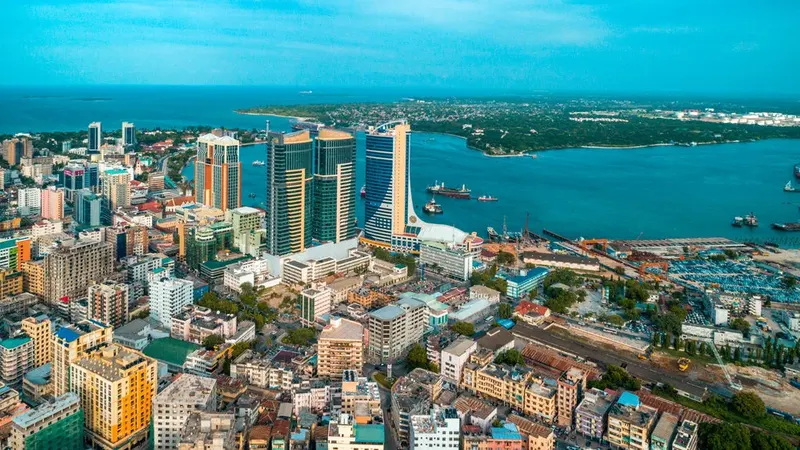
Each year around 1.5 million wildebeest move in a great clockwise loop across the Serengeti, trailed by zebra and the predators that follow both: the largest overland animal migration on Earth, and it happens in Tanzania. The country holds an implausible share of East Africa's icons: Kilimanjaro, Africa's highest mountain, rising snow-capped almost from the equator; the wildlife-crowded caldera of Ngorongoro; Lake Victoria and the chimpanzee forests of Gombe and Mahale on Lake Tanganyika. Then, 35 kilometres off the coast, the Zanzibar archipelago changes the register entirely: Stone Town's carved doors and winding lanes built on centuries of Swahili, Arab and Indian trade, with clove plantations inland and dhows on the reef beyond.
Tanzania on Nuvoha spans 2 destinations: Dar es Salaam, Zanzibar. Set your budget and Nuvoha builds the complete trip: flights and hotels together.
Why visit Tanzania
- Cities you can explore on foot, from headline sights to quiet neighbourhoods
- Coastline worth building a trip around
- Nature within easy reach of your base
- Featured destinations to build a trip around
- Quieter alternatives beyond the obvious stops
- Easy to combine two cities in a single trip
Best known for
- The Great Migration in the Serengeti
- Climbing Kilimanjaro
- Ngorongoro Crater
- Stone Town and Zanzibar's beaches
- Chimpanzee trekking at Gombe and Mahale
From the plains to the coast
- Northern safari circuit: The Serengeti, Ngorongoro Crater, Tarangire and Lake Manyara, usually accessed via Arusha; Kilimanjaro's trekking routes start near Moshi.
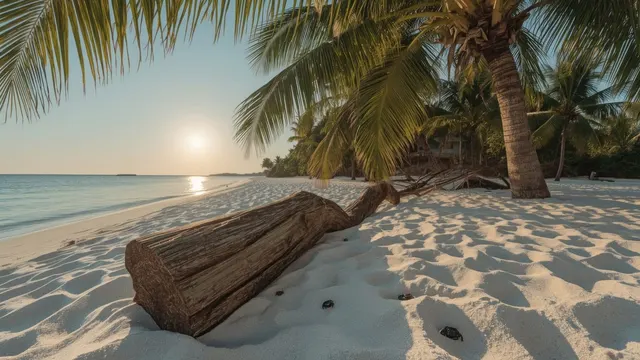
- Zanzibar archipelago: Unguja holds UNESCO-listed Stone Town and beaches from Nungwi to Paje; quieter Pemba is ringed by some of the Indian Ocean's best diving walls.
- Southern circuit: Nyerere National Park (in the former Selous reserve) and Ruaha offer big wilderness with far fewer vehicles, typically reached by light aircraft.
- Western Tanzania: Gombe and Mahale Mountains national parks on Lake Tanganyika are among the best places anywhere to track wild chimpanzees; Gombe is where Jane Goodall began her research.
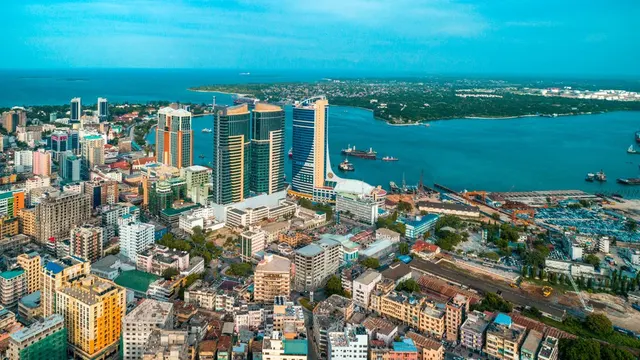
- The Swahili coast: Dar es Salaam is the commercial capital and main gateway; the ruins of Kilwa Kisiwani, a medieval trading sultanate, lie down the coast and are UNESCO-listed.
Where to go
Tanzania essentials
| Currency | Tanzanian Shilling (TZS); US dollars widely used for safaris and lodges |
|---|---|
| Language | Swahili and English are official; English is standard across the tourism industry |
| Time zone | East Africa Time, UTC+3, no daylight saving |
| Emergency number | 112 |
| Driving side | Left |
| Tap water | Not safe to drink; use bottled or filtered water, including in Zanzibar |
Seasons at a glance in Dar es Salaam
| Month | Typical range | Season |
|---|---|---|
| January | 25°C to 32°C | Hot coastal summer |
| April | 24°C to 31°C | Long rains |
| July | 21°C to 29°C | Cooler dry season |
| October | 23°C to 30°C | Warm short rains |
Seasons vary across Tanzania. Each destination page has its own climate table.
How travellers explore Tanzania
Dar es Salaam and Zanzibar sit about 73 km apart, an easy pairing in one trip.
More in Africa
More Africa country guides
Frequently asked questions
Which Tanzania destinations can I book with Nuvoha?
Dar es Salaam, Zanzibar, each with complete flight and hotel trips built around your budget.
What kind of trips suit Tanzania?
Tanzania works for city breaks, beach holidays and nature trips, and its cities pair well for multi-stop itineraries.
Which Tanzania destinations does Nuvoha feature?
Zanzibar is featured on Nuvoha.
How do you combine a safari with Zanzibar?
Most itineraries fly. Light aircraft hop from Serengeti or Arusha airstrips to Zanzibar in one to two hours, avoiding long road transfers. Ferries also run between Dar es Salaam and Stone Town in about two hours.
What currency should I carry in Tanzania?
Both. Safari lodges, park fees and tips are commonly quoted in US dollars (bring newer-series notes), while shillings work best for markets, local restaurants and taxis. Cards are accepted at lodges but attract surcharges.
What plug type does Tanzania use?
Mainly the British three-pin Type G, with some older Type D round-pin sockets, at 230 volts. Remote safari camps may run on solar or generator power with limited charging hours.