
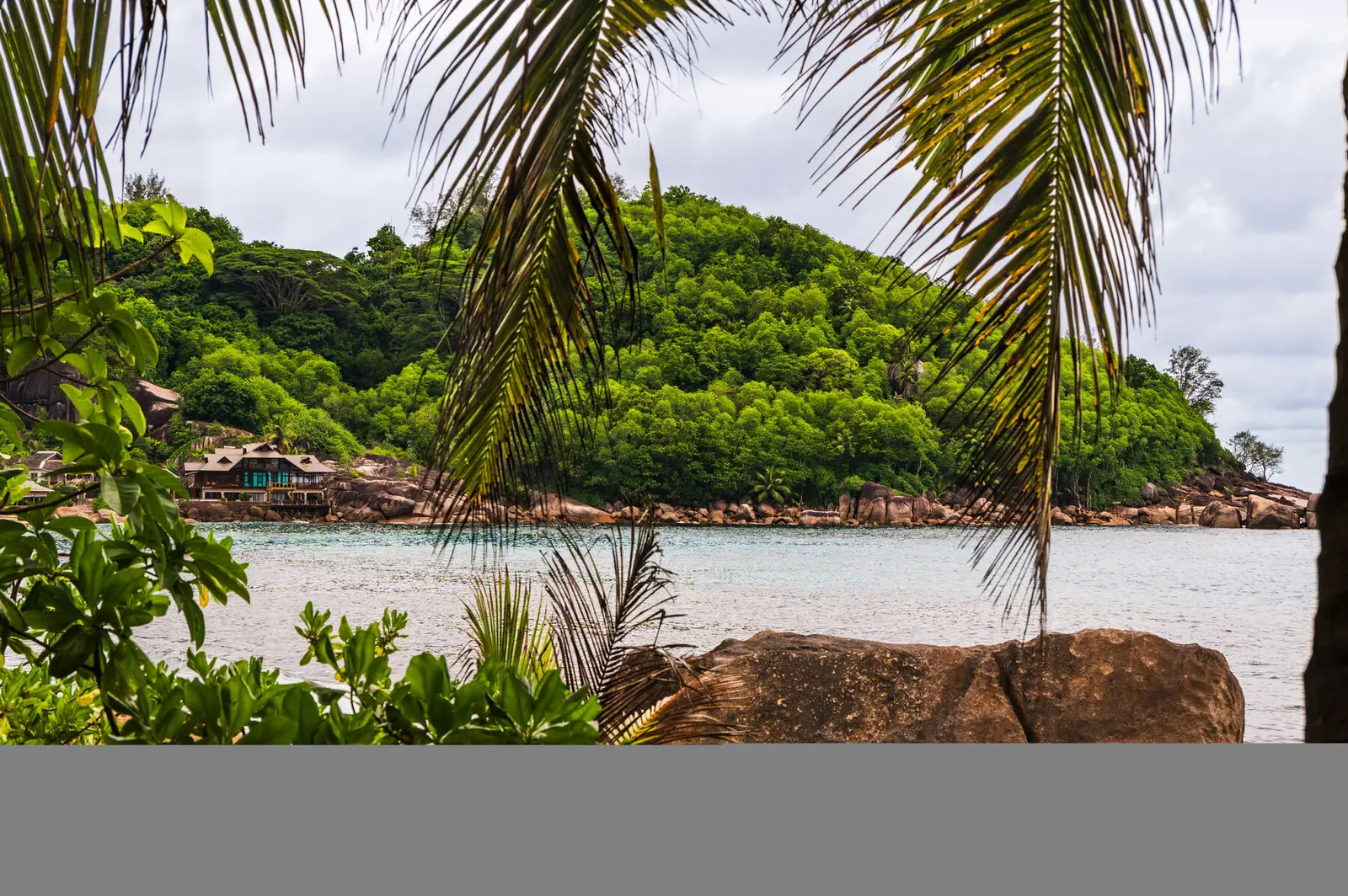
Smoothed granite boulders the size of houses tumble into clear water at Anse Source d'Argent, a shoreline so distinctive it has stood in for paradise on countless film sets. The Seychelles scatters 115 islands across the western Indian Ocean, a thousand miles from mainland Africa. The inner islands (Mahé, Praslin, La Digue) are granitic, green and mountainous, ringed by reef; the remote outer islands are low coral atolls, including Aldabra, a UNESCO site with one of the largest giant tortoise populations on Earth. On Praslin, the Vallée de Mai palm forest shelters the coco de mer, the heaviest seed in the plant kingdom. Creole culture runs through everything, from fish curries to island time.
Mahé is the Seychelles destination on Nuvoha today. Set your budget and Nuvoha builds the complete trip: flights and hotels together.
Why visit Seychelles
- Coastline worth building a trip around
- Nature within easy reach of your base
- Featured destinations to build a trip around
Best known for
- Anse Source d'Argent's granite boulders
- The coco de mer of Vallée de Mai
- Giant tortoises
- Island-hopping by ferry
- Creole fish curries
Island by island
- Mahé: The largest island, holding the tiny capital Victoria, the mountain trails of Morne Seychellois National Park and more than 60 beaches, including Beau Vallon.
- Praslin: The second island, a 15-minute flight or one-hour ferry from Mahé. The UNESCO-listed Vallée de Mai grows the endemic coco de mer palm; Anse Lazio is among its most photographed beaches.
- La Digue: A small island where bicycles and ox-carts outnumber cars. Anse Source d'Argent's granite-framed shallows sit beside the old L'Union Estate coconut plantation.
- Silhouette: The third-largest island, almost entirely national park, with rainforest slopes rising to Mont Dauban and no roads to speak of.
- Outer Islands: Remote coral atolls stretching south-west towards Africa, including the vast Aldabra Atoll, a UNESCO World Heritage Site accessible only by expedition vessel.
Where to go
Seychelles essentials
| Currency | Seychellois Rupee (SCR) |
|---|---|
| Language | Seychellois Creole, English and French are all official; English is spoken everywhere |
| Time zone | Seychelles Time, UTC+4, no daylight saving |
| Emergency number | 999 |
| Driving side | Left |
| Tap water | Treated and generally safe on Mahé and Praslin, though many visitors prefer bottled |
Seasons at a glance in Mahé
| Month | Typical range | Season |
|---|---|---|
| January | 24°C to 30°C | Warm wet season |
| April | 25°C to 31°C | Humid transition |
| July | 23°C to 28°C | Cooler dry season |
| October | 24°C to 30°C | Warmer transition |
Seasons vary across Seychelles. Each destination page has its own climate table.
More in Africa
More Africa country guides
Frequently asked questions
Which Seychelles destinations can I book with Nuvoha?
Mahé, with complete flight and hotel trips built around your budget.
What kind of trips suit Seychelles?
Seychelles works for beach holidays and nature trips.
Which Seychelles destinations does Nuvoha feature?
Mahé is featured on Nuvoha.
How do you travel between the Seychelles islands?
Fast catamaran ferries link Mahé, Praslin and La Digue: about an hour from Mahé to Praslin, then 15 minutes onward to La Digue. Short domestic flights also connect Mahé and Praslin.
Can you drink the tap water in the Seychelles?
On the main islands it is treated and generally fine, though the taste varies and supplies can tighten in the dry season. Most hotels provide filtered or bottled water.
Is cash necessary in the Seychelles?
Cards are accepted at hotels, larger restaurants and dive centres, but beach vendors, small takeaways and La Digue bicycle hire often prefer rupees. Euros are also widely accepted for tourism services.