
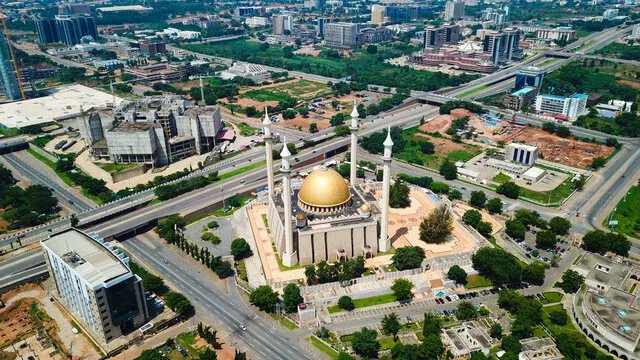
Nigeria is Africa's most populous country, home to more than 200 million people and, by many counts, over 500 languages, held together by English and a national gift for reinvention. Lagos, its coastal megacity, exports Afrobeats and Nollywood films to the world and never quite sleeps; Abuja, the purpose-built capital, sits calmly in the centre beneath the granite dome of Aso Rock. Beyond the cities lie the rainforests and rare gorillas of Cross River, the elephants and warm springs of Yankari, and the ancient walled city of Kano, a Saharan trade hub for a thousand years. This is a place better known for its energy, music and cooking than for tourism, which is exactly why arriving with curiosity pays off.
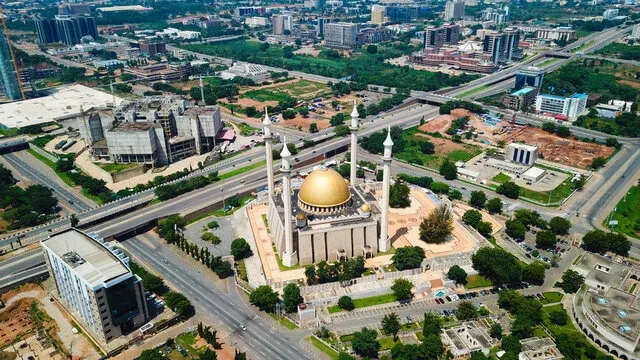
Abuja is the Nigeria destination on Nuvoha today. Set your budget and Nuvoha builds the complete trip: flights and hotels together.
Why visit Nigeria
- Cities you can explore on foot, from headline sights to quiet neighbourhoods
- Quieter alternatives beyond the obvious stops
Best known for
- Lagos nightlife and Afrobeats
- Nollywood, a giant of world cinema
- The Osun-Osogbo Sacred Grove
- Yankari's elephants and warm springs
- Cross River rainforest and Obudu
- Jollof rice and smoky suya
Region by region
- Lagos and the South-West: The Yoruba heartland, centred on the vast, fast-moving city of Lagos with its beaches and music scene, the sacred grove of Osun-Osogbo and the granite dome of Olumo Rock at Abeokuta.
- Abuja and the Middle Belt: The planned federal capital sits below Aso Rock and Zuma Rock in the country's green centre, a gateway to the cooler Jos Plateau with its rock formations, waterfalls and museums.
- The South-East: The Igbo heartland of forested hills and busy trading towns such as Enugu and Onitsha, laced with rivers and rooted in a strong crafts and market tradition.
- Cross River and the Niger Delta: Calabar and the rainforest of Cross River National Park, home to rare gorillas and the hill resort of Obudu, alongside the vast creeks and oil towns of the delta around Port Harcourt.
- Kano and the North-West: Kano, a walled Hausa city that traded across the Sahara for a thousand years, keeps its old indigo dye pits and markets, near the historic centres of Katsina and Sokoto.
- The North-East: Wilder, drier country holding Yankari National Park, with its elephants and the Wikki warm springs, and the highland forests of Gashaka-Gumti and the Mambilla Plateau.
Where to go
Nigeria essentials
| Currency | Nigerian Naira (NGN) |
|---|---|
| Language | English is the official language; Hausa, Yoruba and Igbo are the largest of some 500 languages spoken across the country |
| Time zone | West Africa Time (UTC+1), no daylight saving |
| Emergency number | 112 (national emergency line) |
| Driving side | Right |
| Tap water | Not safe from the tap; bottled water and filtered water are widely sold |
Seasons at a glance in Abuja
| Month | Typical range | Season |
|---|---|---|
| January | 19°C to 34°C | Dry Harmattan season |
| April | 23°C to 34°C | Hot pre-rains |
| July | 22°C to 29°C | Rainy season |
| October | 22°C to 31°C | Humid late rains |
Seasons vary across Nigeria. Each destination page has its own climate table.
More in Africa
More Africa country guides
Frequently asked questions
Which Nigeria destinations can I book with Nuvoha?
Abuja, with complete flight and hotel trips built around your budget.
What kind of trips suit Nigeria?
Nigeria works for city breaks.
How do you get around Nigeria?
Distances are large, so flights connect the main cities of Lagos, Abuja, Port Harcourt and Kano. On the ground, ride-hailing apps work in the big cities, long-distance coaches run between them, and Lagos traffic, known locally as go-slow, is best planned around.
What plug type does Nigeria use?
Types D and G at 230 volts. The British-style three-pin Type G is common, so UK plugs often fit directly, while visitors from elsewhere need an adapter.
Do I need cash in Nigeria?
Card payments and bank transfers are widespread in the cities, and roadside agents handle cash withdrawals, but the naira in small notes still matters for markets, transport and tips. Keeping some cash in reserve is sensible.
When is the best time to visit Nigeria?
The dry season, roughly November to March, is the easiest time for travel, though the harmattan wind can fill the air with Saharan dust in December and January. The wet season from April to October is greener but brings heavy downpours, especially in the south.