
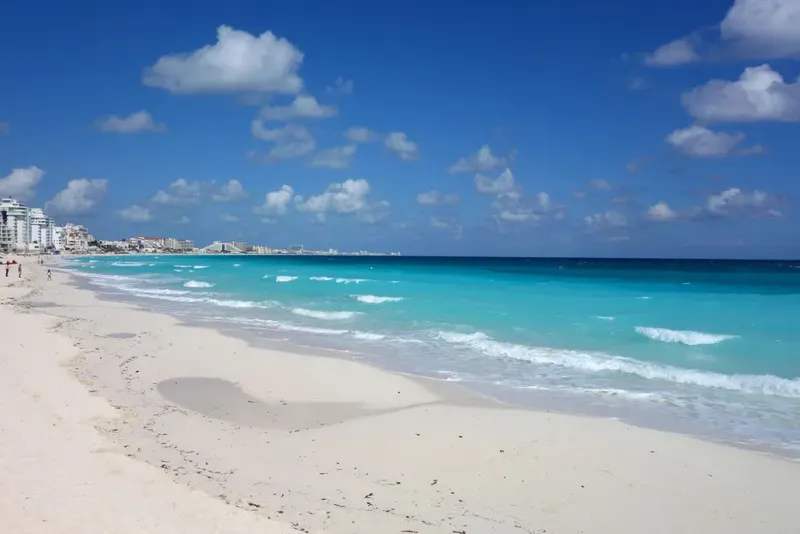
Mexico rewards curiosity at every turn: a country where pyramids built by the Maya and Aztecs stand within reach of Caribbean cenotes, colonial silver towns and some of the most inventive cooking on the planet. Mexico City anchors the central highlands with its museums, mural-lined plazas and the ruins of Teotihuacan nearby, while the Yucatan strings together Chichen Itza, cool swimming cenotes and the white-sand coast of the Riviera Maya. Oaxaca is the heartland of mezcal and Day of the Dead; Baja California reaches into whale-rich seas; and the Pacific coast delivers surf and seafood. Add warm, family-centred hospitality and a calendar full of festivals, and Mexico feels far larger than any single trip. Tap water aside, it is an easy and generous place to explore.
Mexico on Nuvoha spans 2 destinations: Cancún, Mexico City. Set your budget and Nuvoha builds the complete trip: flights and hotels together.
Why visit Mexico
- Cities you can explore on foot, from headline sights to quiet neighbourhoods
- Coastline worth building a trip around
- Quieter alternatives beyond the obvious stops
Best known for
- Ancient Maya and Aztec ruins
- Caribbean beaches and cenotes
- Tacos, mole and mezcal
- Day of the Dead
- Colonial cities
- Baja's whales and the Sea of Cortez
Across Mexico
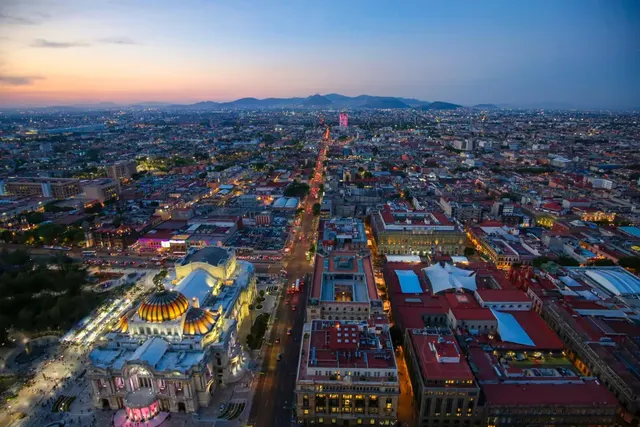
- Mexico City and the central highlands: The high-altitude capital layers Aztec ruins, grand museums and mural-lined plazas beneath surrounding volcanoes, with Teotihuacan's pyramids and the colonial cities of Puebla and the Bajio within easy reach.
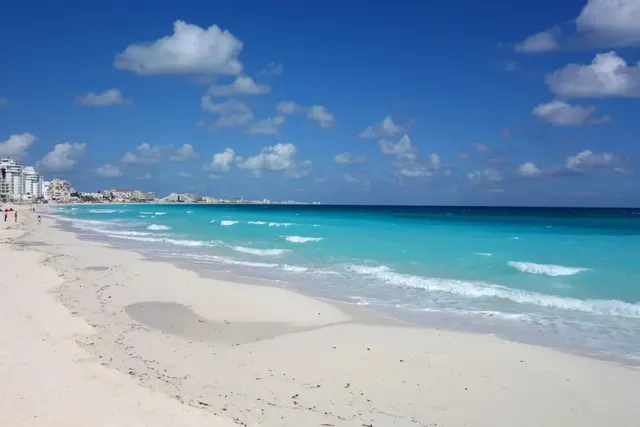
- Yucatan and the Riviera Maya: The flat limestone peninsula holds Maya cities such as Chichen Itza and Uxmal, freshwater swimming cenotes, the colonial city of Merida and the Caribbean coast from Cancun to Tulum.
- Oaxaca: A state celebrated for its cooking, mezcal and crafts, with a graceful colonial capital, the Zapotec ruins of Monte Alban, vivid Day of the Dead traditions and surf beaches on the Pacific.
- Baja California: The long desert peninsula between the Pacific and the Sea of Cortez, known for grey-whale nurseries, cactus landscapes, the resorts of Los Cabos and the diving around La Paz.
- The Pacific coast: A string of beach towns and cities from Puerto Vallarta and the Riviera Nayarit down to Oaxaca's surf breaks, backed inland by Guadalajara, the home of tequila and mariachi.
- The Copper Canyon and the north: Northern Mexico's big-sky country, where the El Chepe railway threads the vast canyons of the Copper Canyon, and cities such as Monterrey sit below dramatic sierras.
Where to go
Mexico essentials
| Currency | Mexican Peso (MXN) |
|---|---|
| Language | Spanish; English is spoken in tourist areas and larger cities, alongside dozens of Indigenous languages |
| Time zone | Mostly Central Time (UTC-6), with Mountain (UTC-7) in the northwest and Pacific (UTC-8) in Baja California; most of the country no longer observes daylight saving |
| Emergency number | 911 (all emergencies) |
| Driving side | Right |
| Tap water | Not for drinking from the tap; stick to bottled or filtered water, which is available everywhere |
Seasons at a glance in Cancún
| Month | Typical range | Season |
|---|---|---|
| January | 22°C to 29°C | Sunny dry season |
| April | 24°C to 32°C | Warm shoulder season |
| July | 25°C to 33°C | Hot humid summer |
| October | 24°C to 31°C | Late wet season |
Seasons vary across Mexico. Each destination page has its own climate table.
More in Americas
More Americas country guides
Frequently asked questions
Which Mexico destinations can I book with Nuvoha?
Cancún, Mexico City, each with complete flight and hotel trips built around your budget.
What kind of trips suit Mexico?
Mexico works for beach holidays and city breaks, and its cities pair well for multi-stop itineraries.
How do you get around Mexico?
Domestic flights handle the long distances between regions, while comfortable long-distance coaches such as ADO cover the rest at a gentler pace. The new Maya Train loops around the southeast, and hire cars suit the Yucatan and Baja.
Can you drink the tap water in Mexico?
It is best not to. Stick to bottled or filtered water, which is available everywhere, and many hotels and restaurants provide purified water as a matter of course. Ice at established venues is generally made from purified water.
Do I need cash in Mexico?
Cards are fine in cities, hotels and larger restaurants, but pesos in small notes are essential for markets, street food, small towns and tipping. ATMs are widespread, and it helps to carry some cash at all times.
What plug type does Mexico use?
Types A and B, the flat-pin sockets used in the United States and Canada, at 127 volts. Visitors from the UK and Europe need an adapter, and should check their devices handle the lower voltage.