
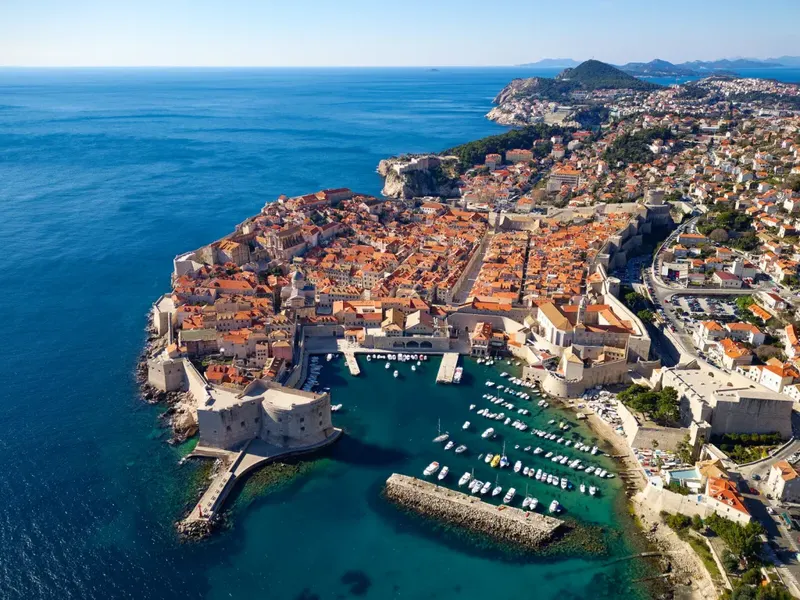
Croatia curves through south-eastern Europe from the plains of the interior to a long, indented Adriatic coastline scattered with more than a thousand islands. Its fame rests above all on the sea: the walled cities of Dubrovnik and Split, the pine-covered islands of Dalmatia, and clear water in countless coves. Inland lie a different set of pleasures, from the capital Zagreb, with its cafe culture and museums, to the truffle-rich hills of Istria and the tumbling lakes and waterfalls of Plitvice. Roman ruins, Venetian bell towers and Habsburg squares trace a long, layered history. Now part of the European Union and the euro and Schengen areas, Croatia combines Mediterranean ease with an accessible, well-run appeal.
Croatia on Nuvoha spans 3 destinations: Dubrovnik, Split, Zagreb. Set your budget and Nuvoha builds the complete trip: flights and hotels together.
Why visit Croatia
- Cities you can explore on foot, from headline sights to quiet neighbourhoods
- Quieter alternatives beyond the obvious stops
- Easy to combine two cities in a single trip
Best known for
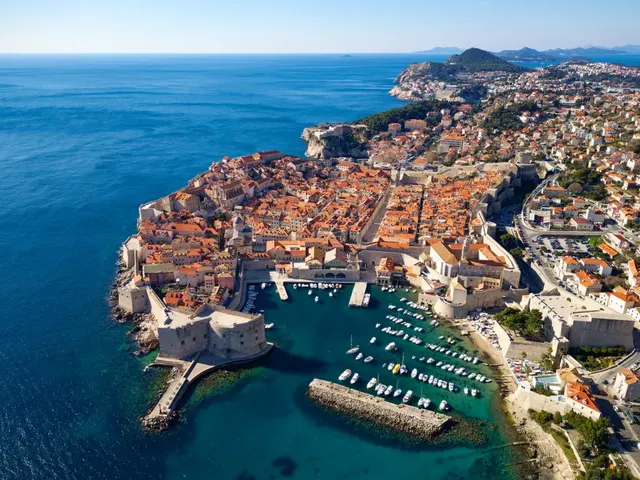
- The walled old town of Dubrovnik on the Adriatic
- Sailing and island-hopping along the Dalmatian coast
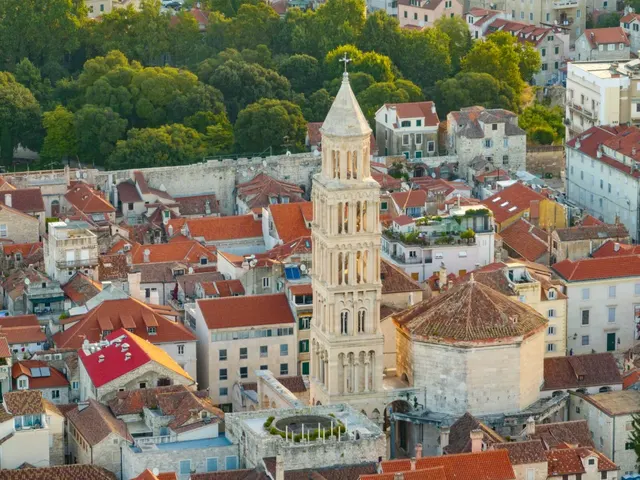
- Diocletian's Palace and Roman heritage in Split
- Plitvice Lakes and Krka's waterfalls and turquoise pools
- Game of Thrones filming locations along the coast
- Istrian truffles, olive oil and coastal wines
Regions of Croatia
- Dalmatia: The long central and southern coast, home to Split, Dubrovnik, Zadar and Sibenik and the greatest concentration of islands and beaches.
- Istria: The heart-shaped northern peninsula, with Roman Pula, pretty Rovinj, hilltop towns, olive groves, vineyards and prized truffles.
- Kvarner: The gulf south of Istria around the port of Rijeka and the resort of Opatija, with large islands such as Krk, Cres and Rab.
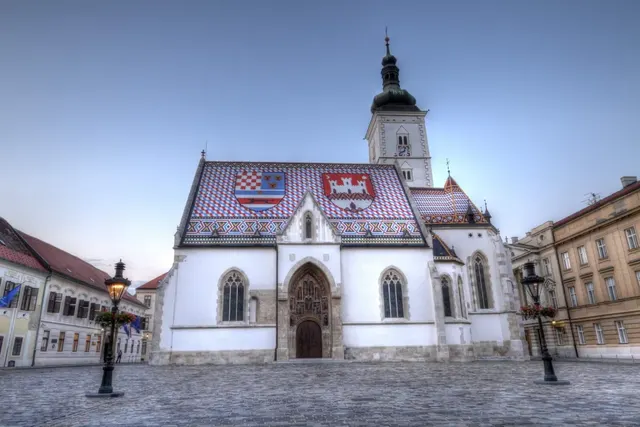
- Zagreb and Central Croatia: The continental north around the capital, with rolling countryside, castles and the Zagorje region beyond the city.
- Lika and the Highlands: The mountainous, forested interior that holds Plitvice Lakes National Park and Croatia's wilder walking country.
- Slavonia: The flat, agricultural east along the Danube and Drava, known for paprika, hearty food and full-bodied wines.
Where to go
Croatia travel basics
| Currency | Euro (EUR) |
|---|---|
| Language | Croatian, with English widely spoken in tourist areas |
| Time zone | Central European Time (UTC+1), with summer daylight saving |
| Emergency number | 112 for all emergencies |
| Driving side | Right |
| Tap water | Safe to drink |
Seasons at a glance in Dubrovnik
| Month | Typical range | Season |
|---|---|---|
| January | 6°C to 12°C | Cool wet winter |
| April | 11°C to 19°C | Mild spring |
| July | 22°C to 30°C | Hot dry summer |
| October | 15°C to 22°C | Mild autumn |
Seasons vary across Croatia. Each destination page has its own climate table.
How travellers explore Croatia
Dubrovnik and Split sit about 193 km apart, an easy pairing in one trip.
Split and Zagreb sit about 246 km apart, an easy pairing in one trip.
More in Europe
More Europe country guides
Frequently asked questions
Which Croatia destinations can I book with Nuvoha?
Dubrovnik, Split, Zagreb, each with complete flight and hotel trips built around your budget.
What kind of trips suit Croatia?
Croatia works for city breaks, and its cities pair well for multi-stop itineraries.
Do I need a visa to visit Croatia?
Croatia is part of the European Union and the Schengen area, so entry rules follow Schengen norms. Many nationalities, including visitors from the UK, the US and the EU, can enter for short stays without a visa, while others need one. Check the current requirements for your passport before travelling.
When is the best time to visit Croatia?
The coast is at its warmest and busiest in July and August, ideal for swimming but crowded and hot. Late spring and early autumn, around May to June and September, offer pleasant weather, warm sea and thinner crowds. Zagreb and the interior are rewarding year-round, including a notable Christmas season.
How do you get around Croatia?
The coast and interior are linked by a good motorway network and frequent long-distance buses, while ferries and catamarans connect the mainland with the islands. There is no coastal railway to speak of, so buses, boats and hire cars are the mainstays for touring, with Split and Zagreb the main transport hubs.
Do you need a car in Croatia?
Not necessarily. The main cities and coastal towns are well linked by bus and ferry, so a car-free trip focused on Dubrovnik, Split and the islands is easy. A car comes into its own for exploring Istria, the national parks and the quieter interior at your own pace, though old town centres are pedestrian and parking can be limited.